the-invisible-checkpoint
The Invisible Checkpoint: How ICE Enforcement is Redefining Gig Work in 2026
The Rise of Short-Form Videos
If 2025 was the year the gig economy felt the "Overtime Paradox," 2026 is the year it’s feeling the Surveillance Squeeze. For a huge portion of the independent workforce, the "freedom" of the road has been replaced by a new, high-tech anxiety. We’re no longer just looking at the road; we’re looking in the rearview mirror for more than just traffic.
Federal immigration enforcement has pivoted, and the gig worker is now squarely in the crosshairs. Here is how the landscape has shifted and why it matters for every freelancer and contractor today.
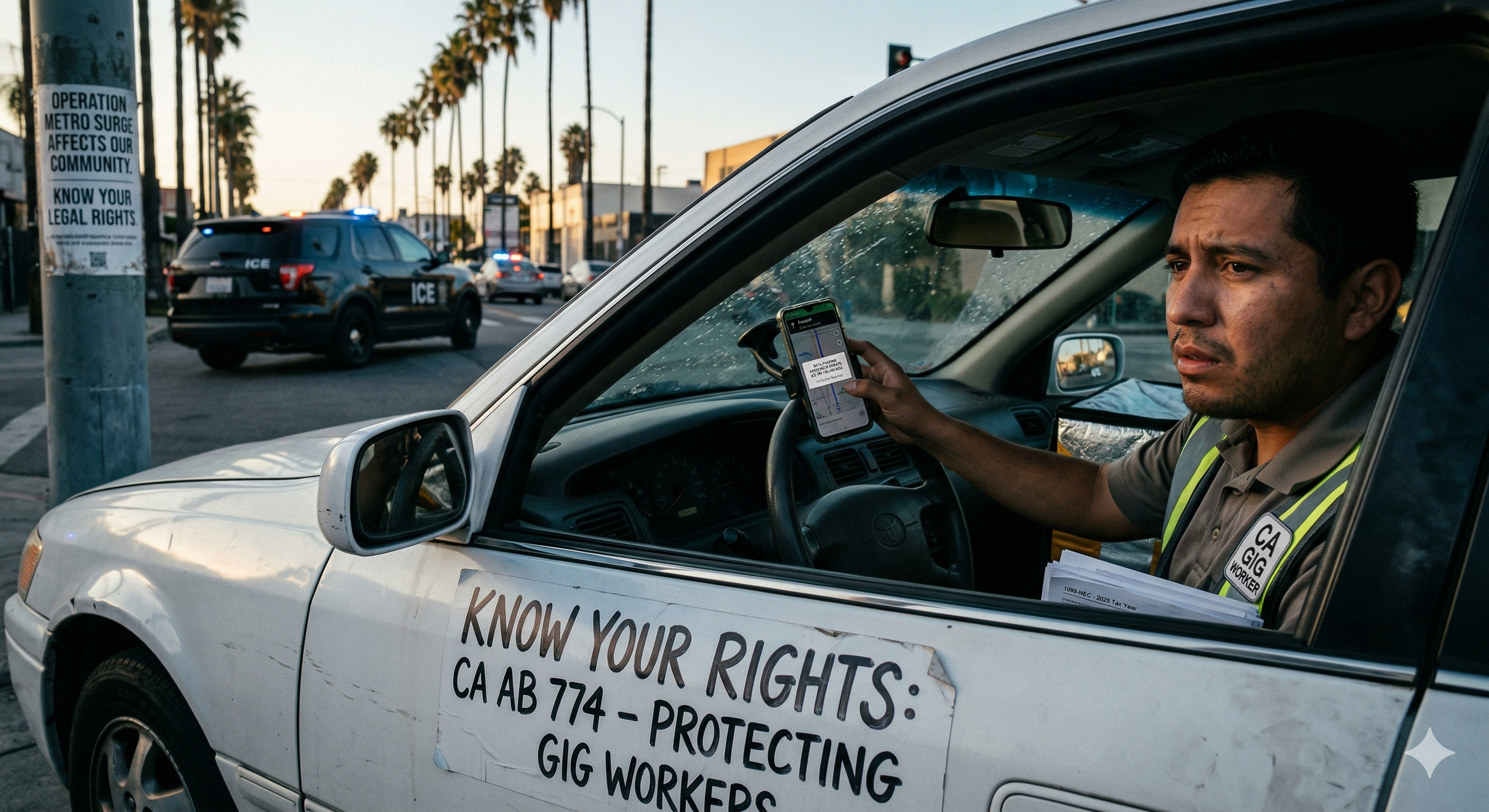
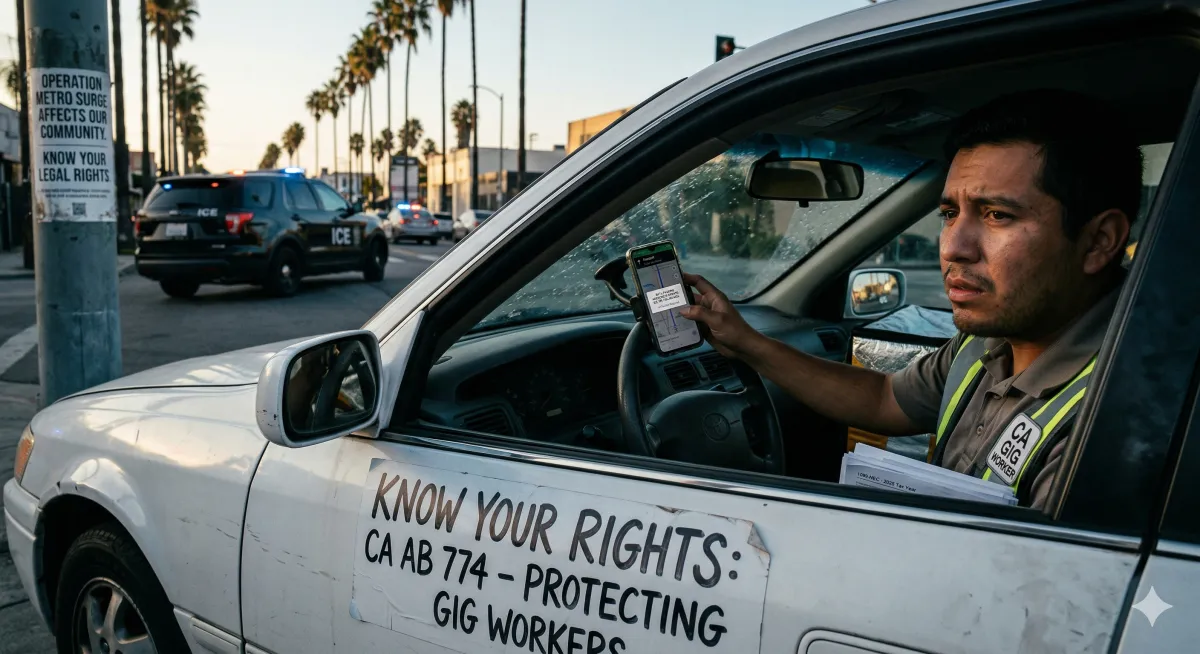
This is affecting workers all over.
The Digital Paper Trail: IRS MOUs and Subpoenas
The biggest shift isn't happening on the street—it’s happening in the database. In April 2025, a Memorandum of Understanding (MOU) gave ICE direct access to IRS records. For gig workers filing 1099s, this turned their tax returns into a digital roadmap for enforcement.
"Logistics of Fear": The Amazon Flex and Metro Surge Incidents
We’ve moved past the era of the traditional "workplace raid." In 2026, enforcement is mobile.
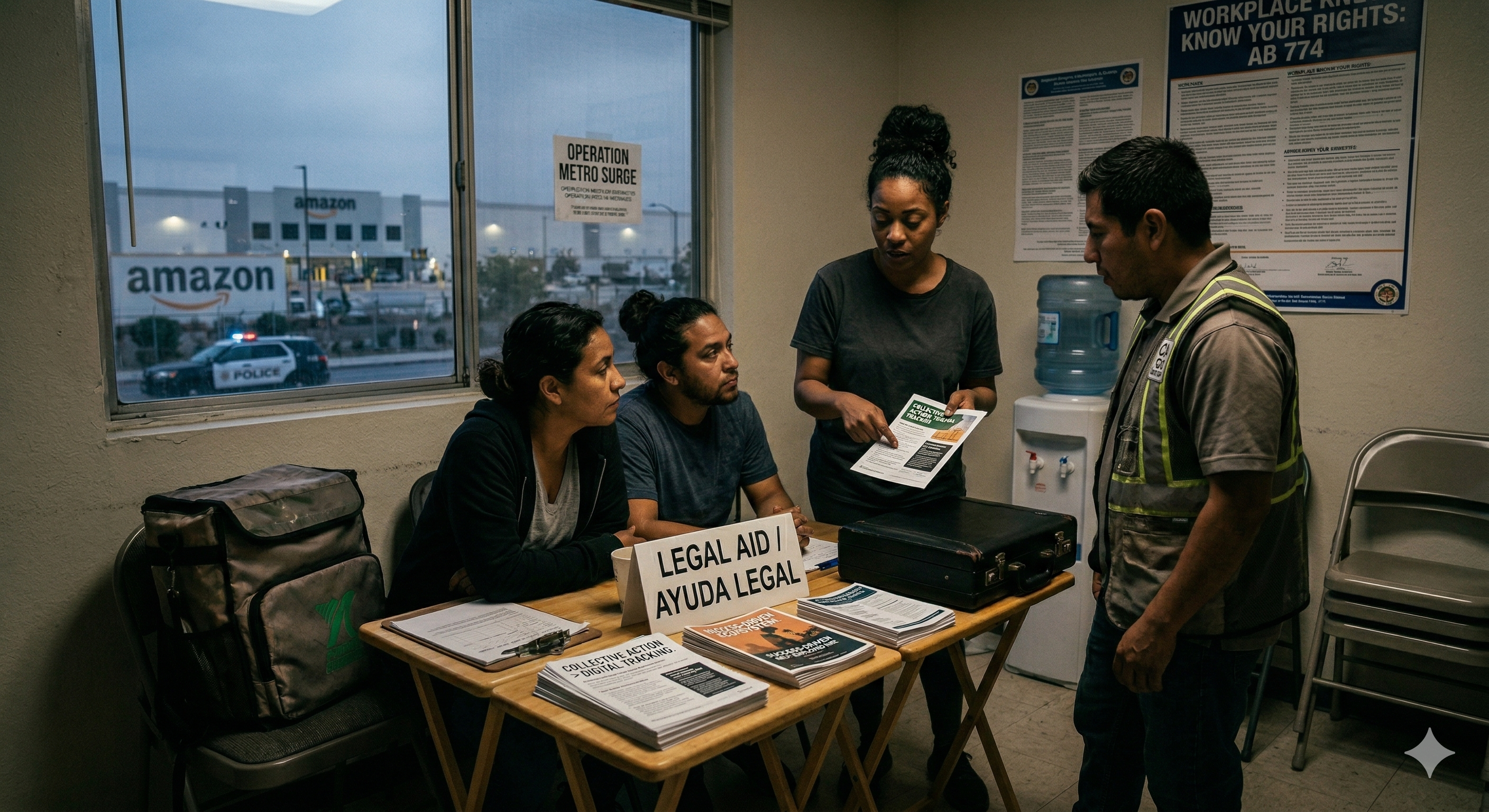
The Michigan Standoff: Just last month, at least 60 Amazon Flex drivers were detained in Southeast Michigan. They weren't taken from inside a warehouse; they were pulled over as they arrived for their shifts. Community reports even described cars loaded with packages left abandoned in the street after drivers were seized.
Operation Metro Surge: In Minnesota, the impact of "Metro Surge" has been devastating. The City of Minneapolis reported a $203 million economic blow in just one month as thousands of workers went "underground," afraid to pick up a shift or a delivery order.
The California Shield: A New Layer of Rights
In response to this federal push, California enacted the Workplace Know Your Rights Act on February 1, 2026. This law is a direct attempt to provide a "legislative shield," requiring platforms and employers to:
Provide annual notices about immigration inspection rights.
Allow workers to designate an emergency contact specifically for detention scenarios.
Ensure that "independent contractor" status isn't used as a loophole to bypass constitutional protections.
Why This Affects Everyone
Even if you have your papers in order, this climate of fear is hollowing out the gig economy. When a significant percentage of the workforce is afraid to log on, the "on-demand" nature of these apps collapses. Delivery times spike, service costs soar, and the local businesses that rely on gig labor (like the restaurants in the New Orleans "Catahoula Crunch" zone) see their revenue vanish.
We’re seeing a deterrence-only economy, where the goal isn't just enforcement, but making the "gig" so risky that people stop working altogether.
The Bottom Line
The gig economy was built on the idea of a frictionless, invisible workforce. But in 2026, the workforce is becoming invisible for the wrong reasons. Whether it's through IRS data-sharing or roadside stops, the "Invisible Checkpoint" is now a permanent feature of the hustle.
How is this shift in enforcement affecting your local delivery times or your community's gig workers?